INSTAR / Newsroom

Research, in the open.

Briefs from the questions, methods, risks, and limits shaping INSTAR’s research portfolio.

Latest research briefs

Read the evidence, not just the headline.

Each brief names its point of view, the evidence it rests on, and what remains unresolved.

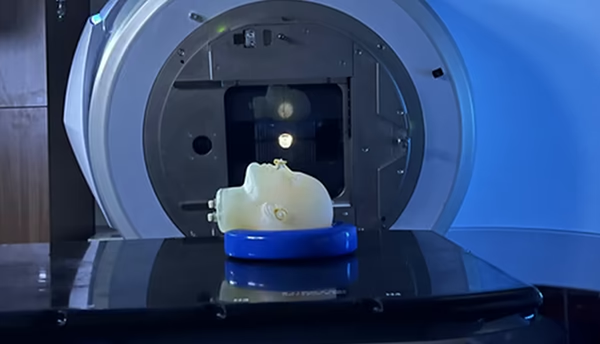
A pale model of a human head lies face up on a blue cushion on the platform of an MRI machine, in front of the machine's round opening, lit in blue.
October 29, 20265 min read

What a Brain Scan Study Can and Cannot Tell You

An INSTAR Lab research brief on what functional MRI measures, why testing a whole brain at once can produce false positives, what happened when 70 teams analysed the same scans, and how many people a study of differences between brains needs.

INSTAR Editorial DeskRead brief
  • neuroscience
  • neuroimaging
  • research integrity

Filter by topic

The archive

Keep reading

Looking along a shallow coral reef from just below the surface, branching pink and tan table corals fill the foreground above a blue-green seabed, with the bright water surface at the top.
October 29, 20265 min read

What a Coral Heat-Stress Map Can and Cannot Tell You

An INSTAR Lab research brief on how NOAA's satellite coral-bleaching heat-stress products are built, what a Degree Heating Week measures, why a heat-stress alert is not a report of bleaching, and what field surveys have added.

INSTAR Editorial DeskRead brief
  • ocean science
  • remote sensing
  • coral reefs
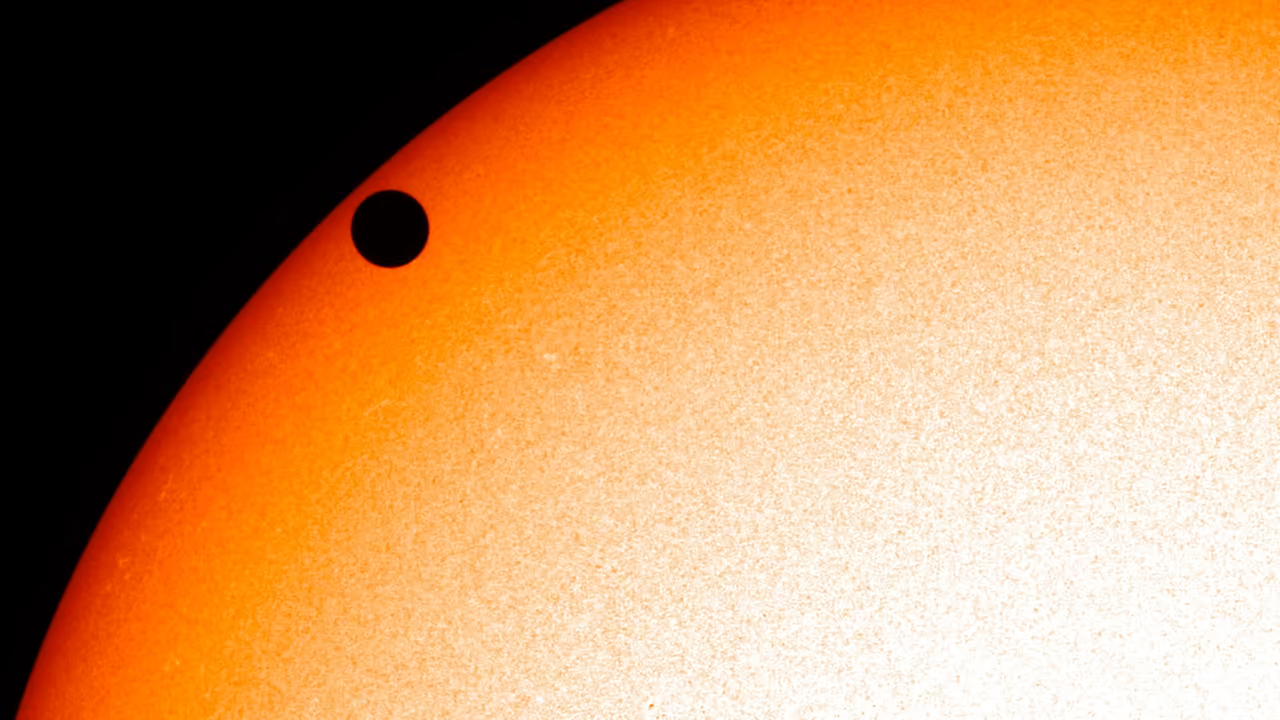
A close-up of the edge of the Sun, glowing orange and white against black space, with the small, round black silhouette of Venus crossing near the edge during the 2012 transit.
October 29, 20267 min read

What an Exoplanet Detection Can and Cannot Tell You

An INSTAR Lab research brief on what the transit and radial-velocity methods measure, why a planet candidate is not yet a planet, what the habitable zone does and does not mean, and how the claim of a possible biosignature gas on K2-18 b has held up under independent reanalysis.

INSTAR Editorial DeskRead brief
  • astronomy
  • exoplanets
  • research integrity
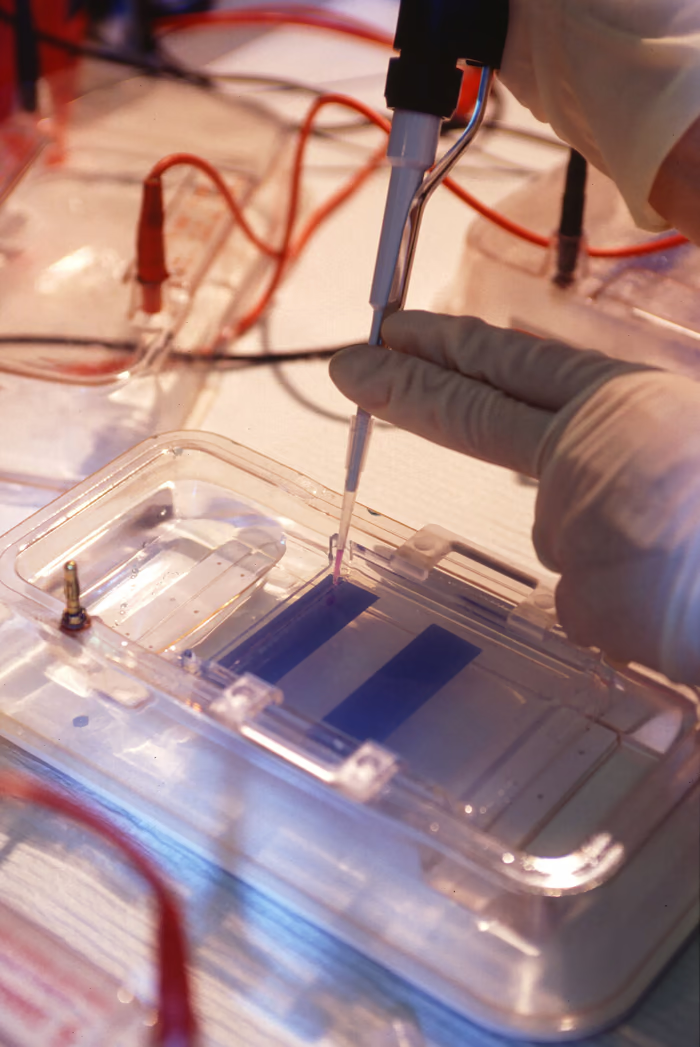
A gloved hand holds a pipette over a clear plastic gel tank and places a sample into a well of a blue gel, with red and black power leads trailing across the bench.
October 29, 20265 min read

What a Polygenic Score Can and Cannot Tell You

An INSTAR Lab research brief on how a polygenic risk score is built, why it describes relative rather than absolute risk, what a 2018 study found at the top of the score range, why today's scores work better for some ancestries than others, and what reporting standards ask for.

INSTAR Editorial DeskRead brief
  • genetics
  • risk prediction
  • research integrity
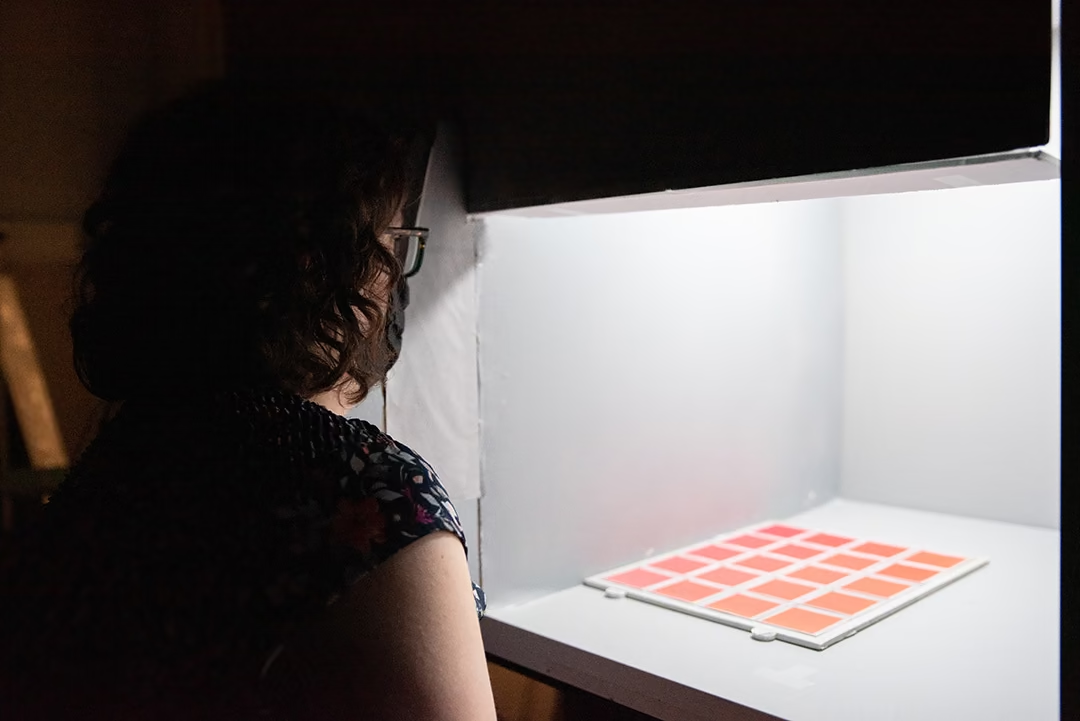
A woman with curly dark hair, glasses and a face mask, seen from behind in a darkened room, leans towards a brightly lit white booth and looks at a tray holding a grid of small orange and pink colour squares.
October 29, 20264 min read

What a Single Psychology Study Can and Cannot Tell You

An INSTAR Lab research brief on what large replication projects in psychology and the social sciences found, why a failed replication is not a verdict, what a p-value does not measure, and what preregistration changes.

INSTAR Editorial DeskRead brief
  • psychology
  • reproducibility
  • research integrity
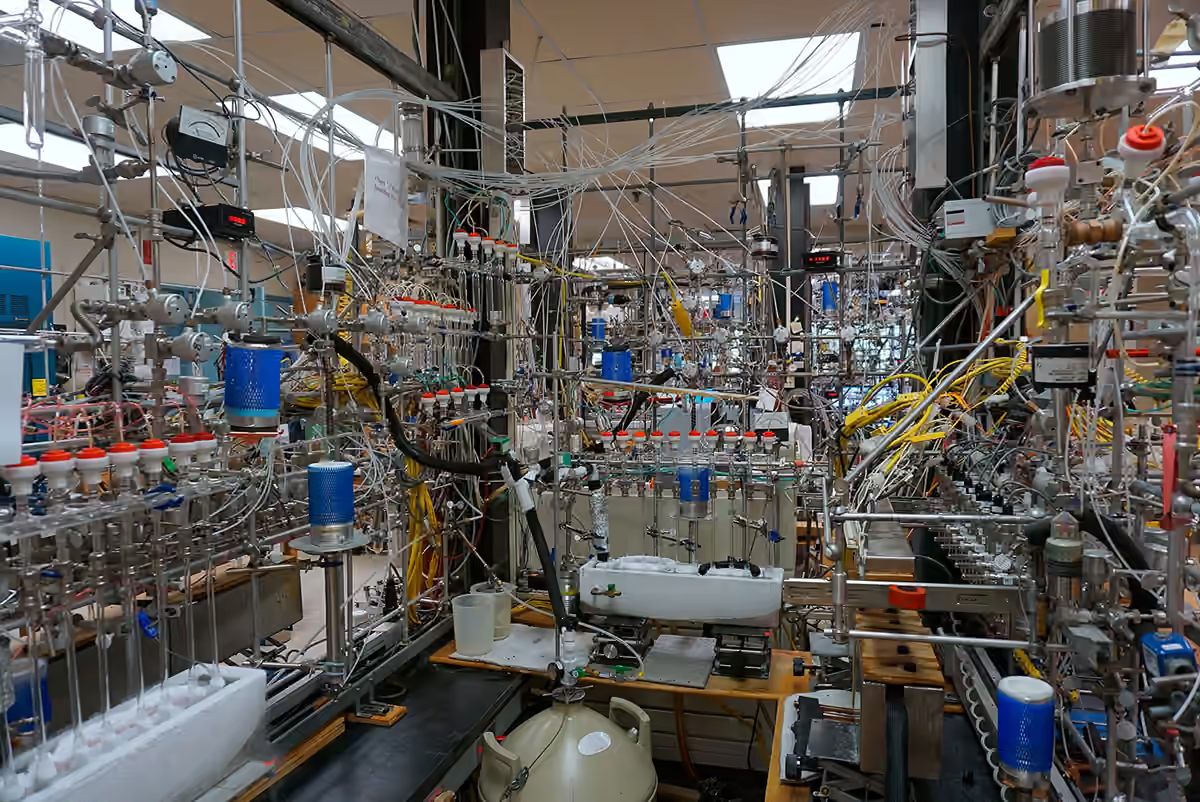
A crowded radiocarbon laboratory packed with glass and steel vacuum lines, rows of white valves with red caps, small gauges, blue-wrapped cylinders and loops of white and yellow tubing, under bright ceiling lights.
October 29, 20267 min read

What a Radiocarbon Date Can and Cannot Tell You

An INSTAR Lab research brief on what a radiocarbon lab measures, why a radiocarbon age must be calibrated before it becomes a calendar date, why the answer is a range rather than a year, and how old wood, reservoir effects and contamination can separate a date from the event it is meant to date.

INSTAR Editorial DeskRead brief
  • archaeology
  • radiocarbon dating
  • research integrity
Advanced materials research supporting energy storage and generation
July 12, 20262 min read

Materials Science and the Energy Transition

An INSTAR Lab research brief on the materials science behind energy storage and generation, and why atomic-scale discovery to a durable system is the hard part.

INSTAR Editorial DeskRead brief
  • materials science
  • energy transition
  • computational discovery
Dense stands of tall sugarcane in a field, each stalk topped with a pale, feathery flower plume, with green leaves low in the frame.
July 6, 20262 min read

Precision Agriculture and Open Agricultural Data

An INSTAR Lab research brief on sensor networks, remote sensing, and soil microbiome research in precision agriculture, and why open datasets matter.

INSTAR Editorial DeskRead brief
  • precision agriculture
  • remote sensing
  • soil science
Clinical environment illustrating AI-assisted care and human oversight
May 24, 20262 min read

Clinical AI Safety Research

An INSTAR Lab research brief on how AI can improve patient safety and clinical workflows, and why safety evaluation and human oversight come before deployment.

INSTAR Editorial DeskRead brief
  • clinical AI
  • safety evaluation
  • human oversight
High-performance computing infrastructure for AI research
May 24, 20262 min read

HPC Infrastructure for AI

An INSTAR Lab research brief on GPU-accelerated computing, sovereign on-premises AI infrastructure, and the applied systems work behind frontier capability.

INSTAR Editorial DeskRead brief
  • high-performance computing
  • AI infrastructure
  • sovereign technology
Abstract visualization of quantum sensing research
May 24, 20262 min read

Quantum Sensing Breakthroughs

An INSTAR Lab research perspective on advances in qubit coherence, quantum error correction, and the path toward practical quantum sensing and computation.

INSTAR Editorial DeskRead brief
  • quantum sensing
  • quantum computing
  • physical sciences